
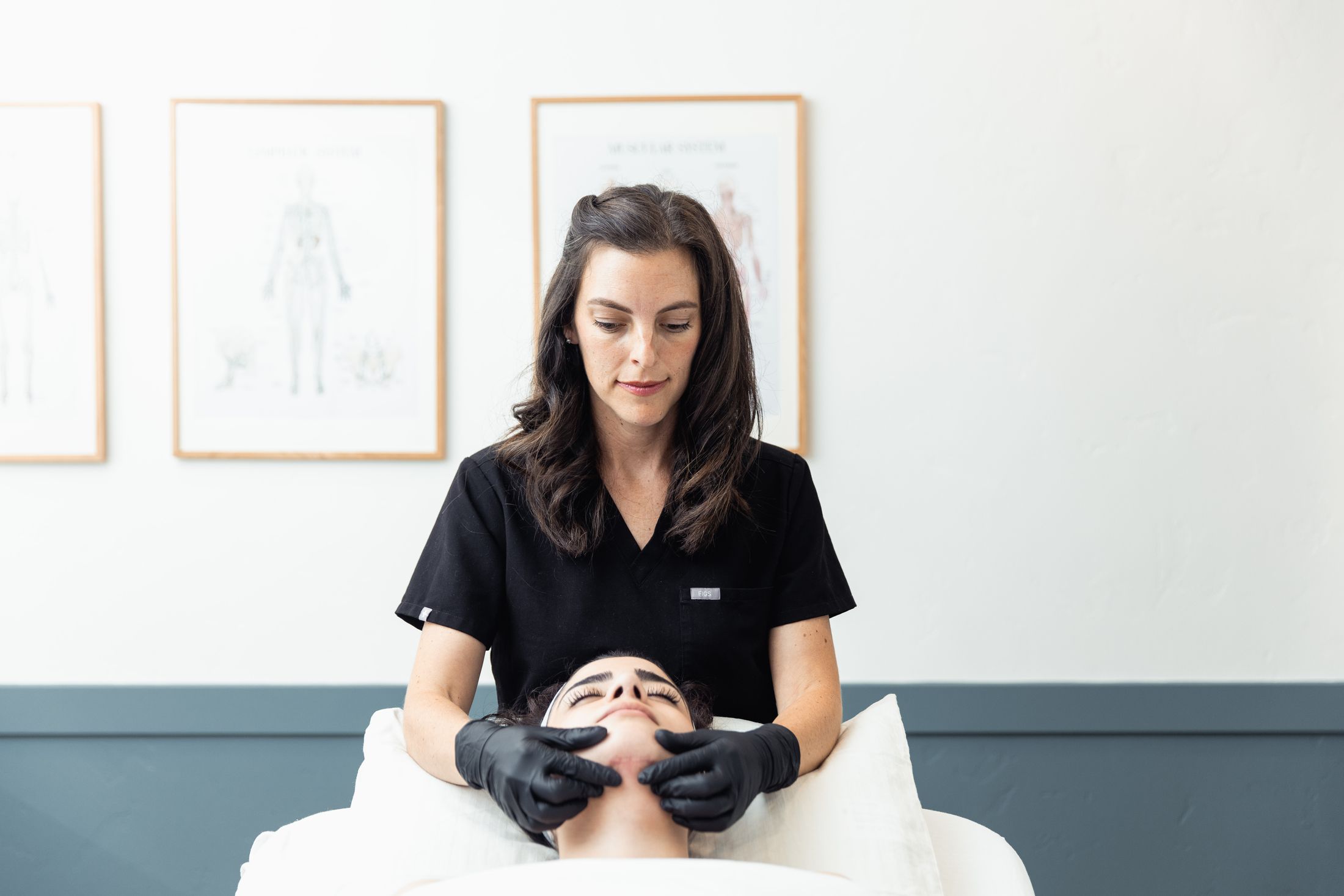

Specialized Care After Surgery
At InHands, postoperative lymphatic massage is part of a recovery plan built around your procedure, stage of healing, and your surgeon’s instructions. Our licensed clinicians use gentle, targeted techniques to support lymphatic drainage, help manage postoperative swelling and improve comfort as the body heals. Located in Los Gatos, InHands provides specialized postoperative therapy for patients recovering from plastic surgery and other surgical procedures throughout San Jose, Silicon Valley and the greater Bay Area.
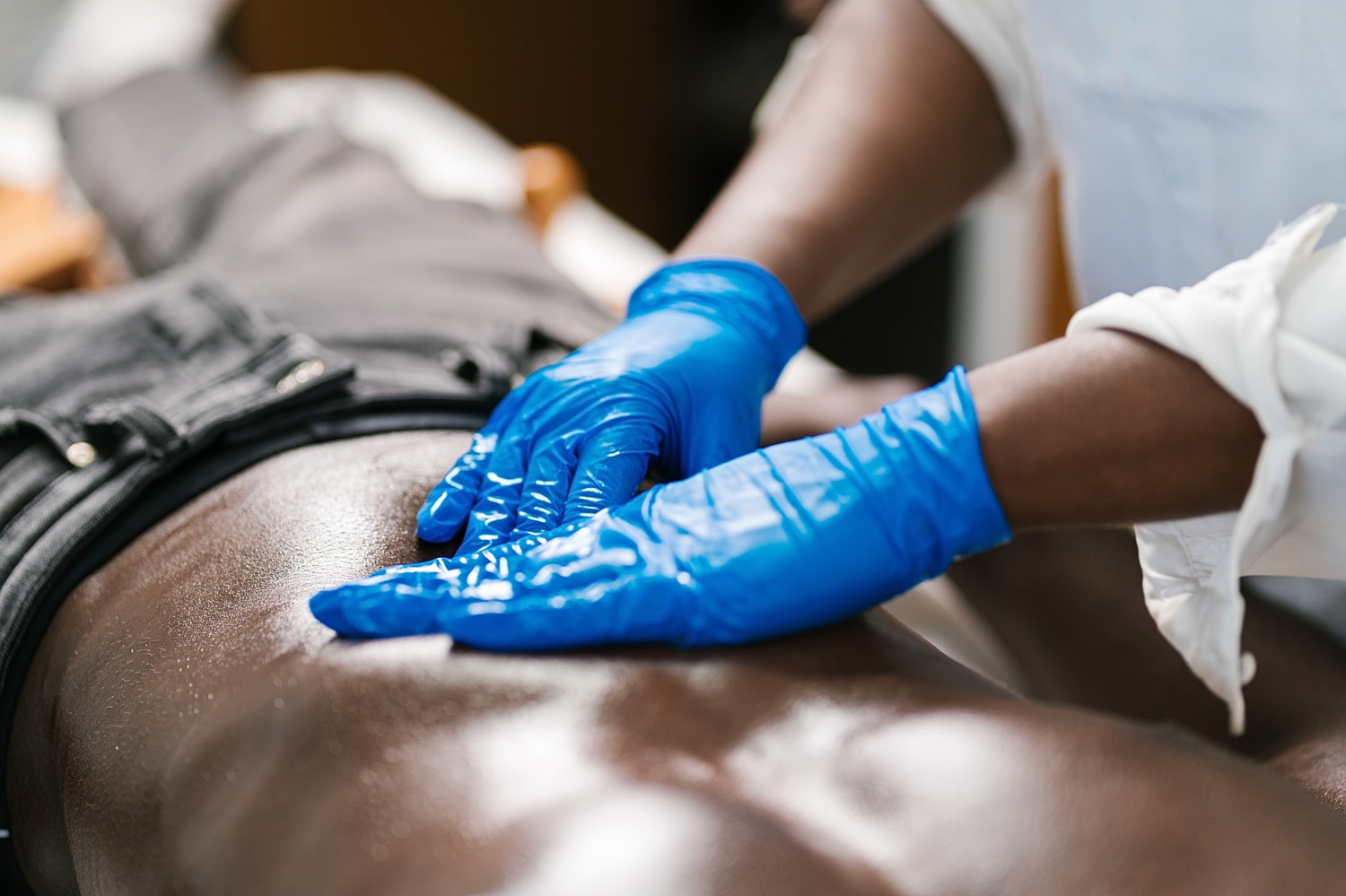

Postoperative lymphatic massage is a gentle, specialized technique used to support the body’s lymphatic system after surgery. Because surgery can temporarily disrupt normal lymphatic flow, fluid may collect in the treated area and contribute to swelling, tightness and discomfort. Gentle lymphatic techniques are designed to encourage fluid movement through appropriate drainage pathways while respecting healing tissues and surgical incisions.
At InHands, postoperative lymphatic care is individualized to the procedure and stage of recovery. Treatment may help manage swelling, improve comfort and support mobility as healing progresses. Our clinicians also consider incision healing, tissue quality, compression garments and your surgeon’s postoperative protocol when determining how and when treatment should be performed.
When should postoperative lymphatic massage begin?
Timing varies by procedure and surgeon. Some patients may be cleared within the first several days after surgery, while others should wait longer. InHands coordinates care with your surgeon’s instructions rather than following a one-size-fits-all treatment schedule.
Postoperative lymphatic massage requires an understanding of surgical procedures, healing tissues, swelling, incisions and postoperative precautions. At InHands, care is provided by licensed clinicians with specialized training in postoperative recovery and lymphatic techniques. Treatment is adapted to your procedure, stage of healing and surgeon’s instructions, with careful attention to when therapy is appropriate and when treatment should be modified or delayed.
This clinical approach is especially important after procedures such as liposuction, tummy tuck, breast surgery, facelift and body contouring, when postoperative care should complement, not interfere with, the surgeon’s recovery plan.
Gentle Care, Guided by Your Recovery
Postoperative lymphatic massage uses gentle, precise techniques rather than the deeper pressure associated with traditional massage. Your clinician considers your procedure, areas of swelling, incisions, tissue sensitivity and stage of healing before beginning treatment. Sessions are adjusted throughout recovery as your needs change.
When should you start?
The right time to begin postoperative lymphatic massage depends on your procedure, your surgeon’s instructions and how your body is healing. Some patients are cleared for treatment early in recovery, while others may need to wait.
At InHands, we do not use a one-size-fits-all schedule. Your care plan is based on your surgeon’s protocol and may evolve throughout recovery. Frequency is also individualized according to swelling, tissue response, comfort and your clinician’s assessment.
If your surgery is upcoming, you can contact InHands before your procedure so postoperative care can be coordinated in advance.
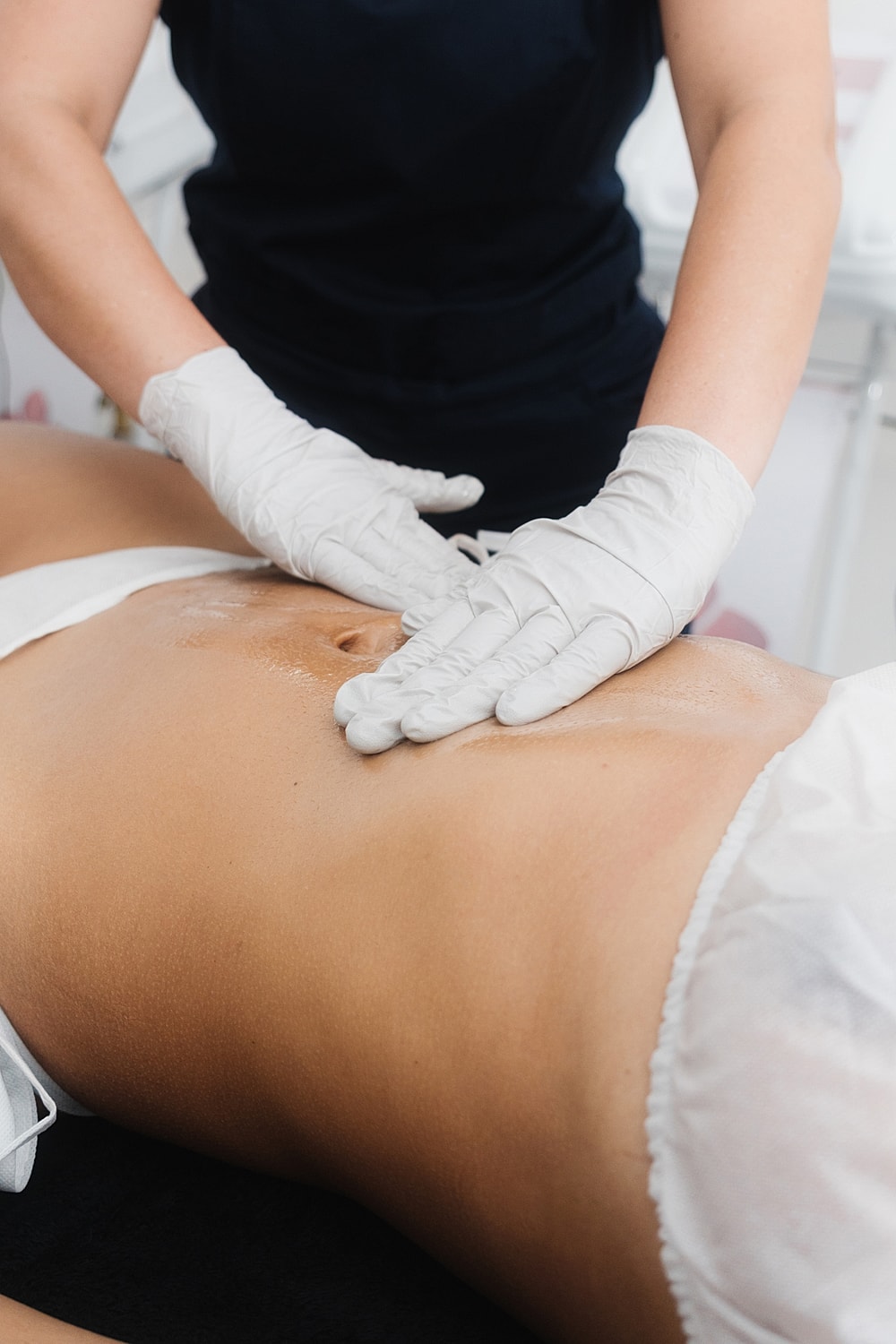
Lymphatic Care for Different Recovery Needs
Manual lymphatic drainage uses gentle, rhythmic techniques designed to support the movement of lymphatic fluid. At InHands, treatment is individualized based on your needs, medical history and areas of swelling or congestion.
After surgery, lymphatic techniques may be used to help manage swelling, tightness and discomfort as tissues heal. Treatment is adapted to your procedure, stage of recovery and surgeon’s instructions, with pressure and technique modified as healing progresses.
Lymphatic techniques may also be incorporated into recovery after orthopedic procedures when appropriate. Care is individualized to help address postoperative swelling and support comfort and mobility as part of the broader rehabilitation plan.
Patients with a history of cancer treatment may have unique lymphatic needs, particularly after lymph node removal or radiation. When lymphatic care is appropriate, treatment should be individualized based on medical history, current symptoms and guidance from the patient’s medical team.

Postoperative lymphatic massage may help manage swelling, fluid accumulation, tightness and discomfort as the body heals after surgery. At InHands, treatment is individualized to your procedure, stage of recovery and surgeon’s instructions, so care can be adjusted as your tissues and swelling change throughout the healing process.
Gentle lymphatic techniques can support fluid movement and help manage swelling that commonly occurs after surgery.
Postoperative swelling can contribute to feelings of pressure, tightness and discomfort. Lymphatic care may help improve comfort as swelling changes during recovery.
Bruising is common after many surgical procedures and typically resolves naturally over time. Lymphatic techniques may be incorporated into postoperative care when appropriate for your stage of healing.
As healing progresses, your clinician can assess changes in scar and surrounding soft tissue and determine whether additional postoperative therapy may be appropriate.
Areas of firmness or fibrosis can sometimes develop during recovery, particularly after procedures such as liposuction. Treatment is individualized based on the tissue, procedure and stage of healing.
A seroma is a collection of fluid that can develop after surgery and should be evaluated by the appropriate medical provider. Lymphatic therapy does not replace medical treatment for a seroma, but postoperative care may be modified in coordination with your surgeon.
Every patient heals differently. If an incision or wound is not healing as expected, lymphatic treatment may need to be modified or postponed while your surgeon evaluates the area.
Numbness, tingling and altered sensation can occur after surgery. Your clinician considers these changes when adjusting pressure and technique throughout postoperative treatment.
Surgery involving lymph nodes or lymphatic structures can affect normal lymphatic drainage. Patients with lymphedema or increased risk may require specialized assessment and an individualized treatment plan coordinated with their medical team.
Supporting Your Recovery
Postoperative lymphatic massage uses gentle, specialized techniques to support fluid movement after surgery. When appropriate for your procedure and cleared by your surgeon, treatment may help:
• Reduce postoperative swelling and fluid buildup
• Ease feelings of tightness and discomfort
• Support healthy lymphatic drainage
• Improve comfort and mobility during recovery
• Address areas of firmness as tissues heal
At InHands, treatment is individualized based on your procedure, stage of healing, and your surgeon's postoperative instructions.
s Postoperative Lymphatic Massage Right for You?
• Patients recovering from cosmetic or reconstructive surgery
• Patients experiencing postoperative swelling or fluid retention
• Patients recovering from procedures such as liposuction, tummy tuck, breast surgery, or facial surgery
• Patients whose surgeon recommends lymphatic support as part of their recovery plan
Lymphatic massage is not appropriate for every patient or every stage of recovery. Treatment may need to be postponed or specifically cleared by your medical team if you have an active infection, fever, suspected blood clot, certain heart or kidney conditions, or other medical concerns.
Your care begins with your procedure, stage of recovery, symptoms, and your surgeon's instructions. Treatment is then tailored to your needs using gentle techniques appropriate for healing tissues. Your plan may change as swelling, comfort, mobility, and tissue healing progress.
Support Your Recovery Between Visits
Recovery continues long after you leave your appointment. At InHands, we help you understand the simple steps you can take between visits to support your recovery, based on your procedure, stage of healing, and your surgeon’s instructions. This may include guidance on compression, positioning, movement, hydration, scar care, or gentle techniques that are appropriate for you.

Care That Evolves With Your Recovery
Every patient responds differently to postoperative lymphatic massage. Some people notice changes in swelling, tightness, or comfort after treatment, while for others those changes occur gradually over a series of sessions as healing progresses.
Your clinician will reassess swelling, tissue changes, comfort, and mobility throughout recovery and adjust treatment as appropriate. The frequency and duration of care depend on your procedure, your response to treatment, and your surgeon’s postoperative instructions.
Rather than promising a specific result or timeline, our focus is on providing appropriate care at each stage of recovery.
Postoperative recovery is a process, not a single treatment. As healing progresses, your needs may change. Lymphatic care may be used alongside other postoperative therapies, compression, movement, scar care, and your surgeon’s recommendations when appropriate.
At InHands, each visit is considered within the larger recovery plan so that care remains appropriate for your stage of healing.
Postoperative lymphatic massage is generally gentle. At InHands, pressure and technique are adjusted to your procedure, stage of healing, tissue condition, and comfort. Some areas may be tender after surgery, so tell your therapist if anything feels uncomfortable. Treatment should always respect healing tissues and your surgeon’s postoperative instructions.
There is no single schedule that is right for every patient. The timing and frequency of postoperative lymphatic massage depend on the procedure, stage of healing, amount of swelling, tissue response, and your surgeon’s recommendations. At InHands, your treatment plan is individualized and adjusted throughout recovery rather than based on a predetermined number of sessions.
No. Lymphatic massage is not a weight-loss treatment and does not reduce body fat. Changes in swelling or fluid retention may temporarily affect how the body looks or feels, but this should not be confused with fat loss. At InHands, lymphatic massage is used when appropriate to support postoperative recovery and lymphatic function.
Wear loose, comfortable clothing that is easy to change in and out of. Depending on the area being treated, you may need to partially undress, and appropriate draping is provided for comfort and privacy. If your surgeon has prescribed a compression garment, bring it with you so your therapist can consider it as part of your postoperative care.
Yes. While InHands specializes in postoperative recovery, lymphatic therapy may also be appropriate for certain nonsurgical conditions involving swelling or lymphatic dysfunction. Whether treatment is appropriate depends on your health history, symptoms, and any relevant medical recommendations. Our team can help determine whether InHands is the right setting for your needs.
The appropriate time to begin depends on the procedure, your stage of healing, and your surgeon’s postoperative instructions. Some patients may be cleared for treatment relatively early in recovery, while others need to wait. InHands coordinates care around your surgeon’s protocol rather than using the same start date for every patient.