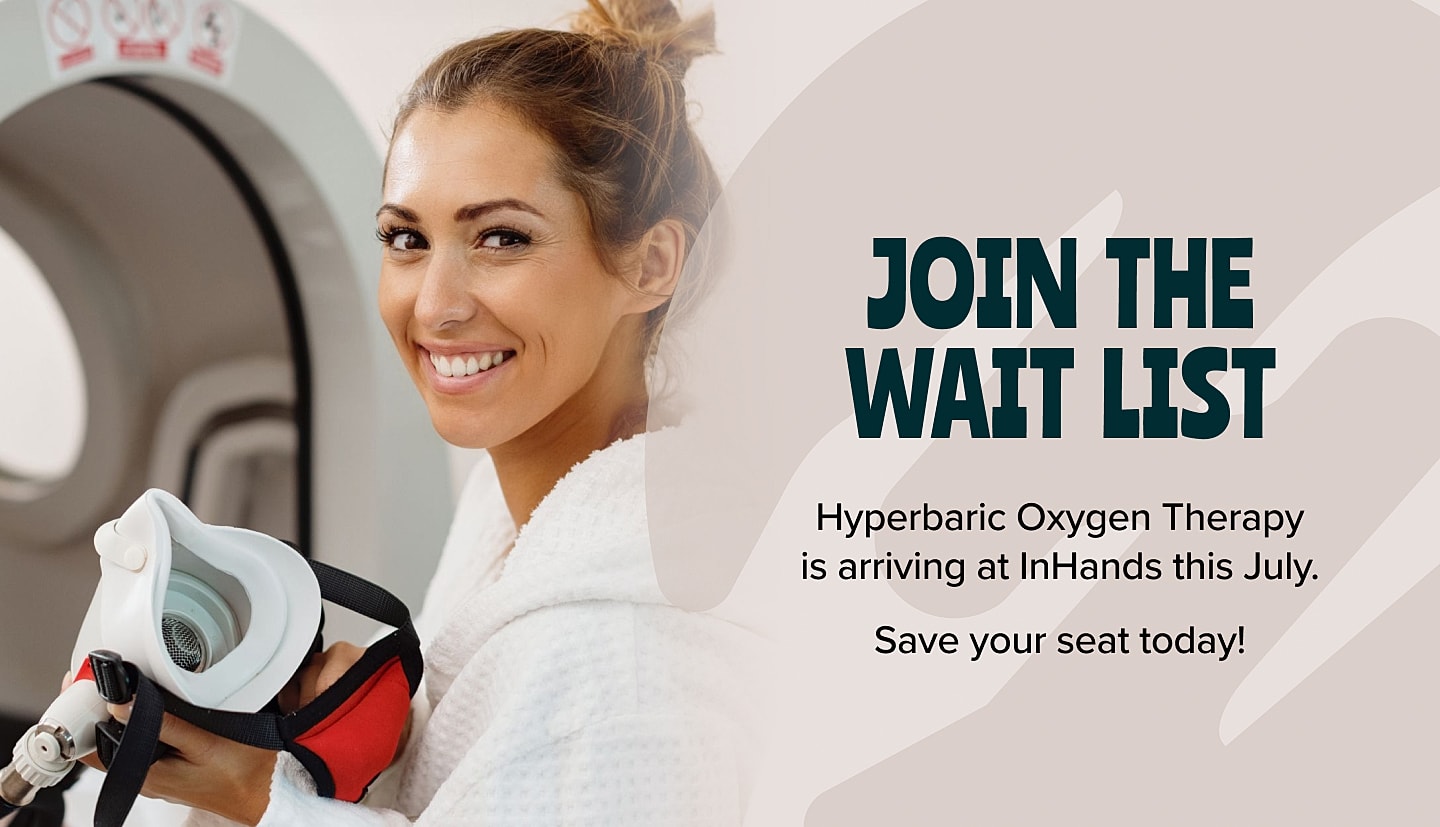


Light Where Recovery Needs It
Recovery after surgery can bring swelling, soreness, stiffness, and changes in mobility. Red light therapy offers a gentle, non-invasive way to support the body during this period.
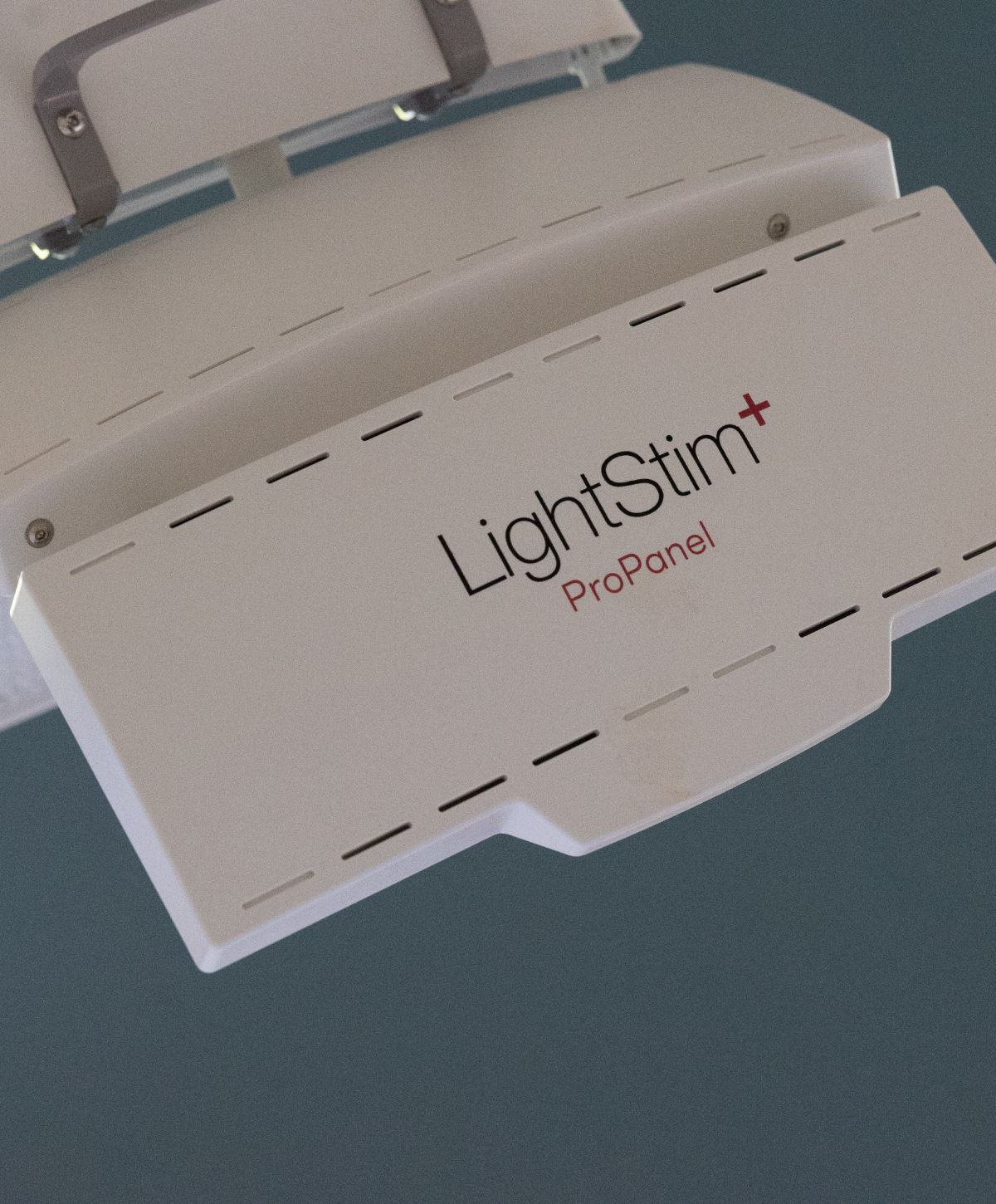
At InHands, red light therapy is offered at our Los Gatos postoperative recovery clinic using the professional LightStim LED Bed and Face Panel. Depending on your procedure and stage of recovery, it may be incorporated into your care plan to support circulation, temporary relief of minor pain and stiffness, muscle relaxation, and tissue recovery.
Every treatment is considered in the context of your surgery and your surgeon's postoperative instructions.

The Science Behind the Light
Red light therapy, also known as photobiomodulation or PBM, uses specific wavelengths of red and near-infrared light. These wavelengths interact with light-sensitive structures within cells and may influence cellular activity, circulation, and the body's natural recovery processes.
Research has explored photobiomodulation for temporary relief of pain and stiffness, circulation, muscle recovery, inflammation, and tissue support. How someone responds can vary based on the treatment area, device, wavelength, and stage of recovery.
Unlike ultraviolet light, red light therapy does not tan the skin. It is also different from an infrared sauna: the treatment uses light rather than sustained heat.

After surgery, red light therapy may be used as a supportive part of a broader recovery plan. Photobiomodulation may help improve local circulation, provide temporary relief of minor pain and stiffness, promote muscle relaxation, and support tissue recovery.
At InHands, red light therapy is never treated as a one-size-fits-all service. Whether and when it is appropriate depends on your procedure, stage of healing, symptoms, and your surgeon's postoperative instructions.
It may be used on its own or alongside other postoperative services, such as lymphatic therapy, when appropriate for your recovery plan.
Detail | What to Expect |
|---|---|
| Treatment | Professional LightStim LED Bed or Face Panel |
| Session Length | Approximately 30 minutes for a full-body LED Bed session |
| Sensation | Gentle warmth; no needles or manual pressure |
| Downtime | None from the light treatment itself; postoperative restrictions still apply |
| Location | InHands Postoperative Therapy & Recovery in Los Gatos |
| Treatment Plan | Personalized to your procedure, stage of recovery, and surgeon's guidance |
Light as Part of Recovery
Red light therapy may be incorporated into postoperative care for several reasons. The specific role it plays depends on your procedure, symptoms, stage of healing, and your surgeon’s recommendations.
Circulation
Red and near-infrared light may support local circulation in the treated area.
Temporary Pain & Stiffness Relief
Photobiomodulation may provide temporary relief of minor pain and stiffness and promote muscle relaxation.
Postoperative Comfort
Because treatment is non-invasive and requires no manual pressure, it can offer a comfortable supportive option during certain stages of recovery.
Tissue Recovery
Red light therapy is being studied for its effects on cellular activity and tissue recovery. At InHands, it is used thoughtfully within the larger postoperative plan.

Beyond Postoperative Recovery
Red light therapy is also widely used in aesthetic care for skin rejuvenation. Photobiomodulation has been studied for its effects on cellular activity, circulation, and collagen-related processes that contribute to the appearance and quality of the skin.
At InHands, skin-focused red light therapy may be considered separately from postoperative treatment or incorporated into a broader recovery plan when appropriate.
Skin Quality
Red light therapy may support processes associated with overall skin quality and appearance.
Fine Lines & Texture
Photobiomodulation has been studied for its potential role in supporting collagen-related processes and improving the appearance of skin texture and fine lines over time.
Non-Invasive Treatment
Treatment requires no needles, incisions, or manual pressure and involves no downtime from the light therapy itself.
Face or Full-Body Treatment
InHands offers the LightStim Face Panel and professional full-body LED Bed, allowing treatment to be tailored to the area and purpose of care.
Full-Body, Fully Lit
InHands offers professional red light therapy using the full-body LightStim LED Bed and LightStim Face Panel. The LED Bed provides broad, full-body light exposure, while the Face Panel allows for more focused treatment when full-body coverage is not needed or postoperative positioning makes the bed less practical.
Your treatment is selected based on the area being treated, your comfort, and, when applicable, your stage of postoperative recovery.
The LightStim Professional LED Bed is FDA-cleared for temporary relief of minor muscle and joint pain and stiffness, temporary improvement in local blood circulation, and muscle relaxation.
Red light therapy is also being studied for broader applications in skin health and tissue recovery. At InHands, the equipment and treatment approach are selected according to the purpose of care and the individual patient's needs.
Timing Matters
There is no one-size-fits-all timeline for starting red light therapy after surgery. The right time depends on your procedure, stage of healing, incisions, swelling, mobility, and your surgeon’s postoperative instructions.
At InHands, we consider these factors before incorporating red light therapy into your recovery plan. Some patients may be able to begin early in recovery, while others may benefit from waiting.
When your surgeon has provided specific restrictions or guidance, those instructions always take priority.
Lights On, Time to Unwind
Red light therapy is a simple, non-invasive treatment. You’ll relax on the LightStim LED Bed for full-body treatment or use the LightStim Face Panel for more targeted treatment.
A full-body red light therapy session lasts approximately 30 minutes. The treatment requires no needles, massage, or electrical stimulation, and many patients find the gentle warmth and quiet time relaxing.
For postoperative patients, positioning and treatment are adapted to your stage of recovery, comfort, mobility, and your surgeon’s instructions. There is no downtime from the red light therapy itself, so it can fit easily into a broader postoperative recovery plan.
A Plan That Fits Your Recovery
Start with one session. From there, the InHands team can recommend whether additional treatments may be appropriate based on your procedure, stage of recovery, response to treatment, and overall recovery plan.
There is no one-size-fits-all treatment schedule. Red light therapy may be used on its own or incorporated alongside other postoperative therapies when appropriate.
Yes. Red light therapy may be incorporated into a broader recovery plan that includes postoperative lymphatic therapy, mobility work, or other services when appropriate.
At InHands, treatments are coordinated around your procedure, symptoms, stage of recovery, and your surgeon’s instructions rather than treated as separate, one-size-fits-all services.
At InHands, red light therapy is more than a stand-alone wellness service. It is offered within a practice dedicated to postoperative recovery, where every treatment is considered in the context of your procedure, stage of healing, symptoms, mobility, and surgeon’s instructions.
Our team can incorporate red light therapy into a broader recovery plan that may include postoperative lymphatic therapy, mobility and rehabilitation, compression guidance, and other supportive treatments when appropriate.
With both a full-body LightStim LED Bed and LightStim Face Panel, treatment can be tailored to the area being addressed and your ability to position comfortably after surgery.
Whether you are recovering from surgery or seeking red light therapy for its skin and wellness benefits, our goal is the same: thoughtful, individualized care rather than a one-size-fits-all protocol.
Whether you’re recovering from surgery or exploring red light therapy for skin or wellness support, our team can help you determine whether treatment is appropriate for your goals.
For postoperative patients, we consider your procedure, stage of healing, current symptoms, and your surgeon’s instructions when incorporating red light therapy into your recovery plan.
InHands is located in Los Gatos and serves patients throughout San Jose, Silicon Valley, and the South Bay.
Timing depends on your procedure, stage of healing, and your surgeon’s instructions. Some patients may be able to begin early in recovery, while others should wait. At InHands, postoperative red light therapy is incorporated only when appropriate for your individual recovery plan.
Red light therapy is being studied for its effects on circulation, inflammation, and tissue recovery. After surgery, it may be used as a supportive therapy when appropriate, but results vary and it should not replace your surgeon’s postoperative care or other recommended treatments.
There is no set number of sessions that is right for everyone. Your treatment plan depends on your goals, procedure, stage of recovery, and response to treatment. Some patients use red light therapy occasionally, while others incorporate it into a broader recovery plan.
Yes, when appropriate. Red light therapy and postoperative lymphatic therapy may be incorporated into the same recovery plan. At InHands, the timing and combination of treatments are individualized to your procedure, stage of healing, and surgeon’s instructions.
Yes. InHands uses the professional LightStim LED Bed and Face Panel. Professional equipment provides controlled treatment using specific wavelengths and allows care to be incorporated into a professionally guided postoperative or wellness plan.
Implants or surgical hardware do not automatically rule out red light therapy, but your medical and surgical history matters. Tell the InHands team about any implants, hardware, mesh, or other medical considerations so treatment can be evaluated appropriately.
Wear comfortable clothing that is easy to change in and out of. The treatment area typically needs to be exposed to the light, and appropriate privacy is provided. If you are recovering from surgery, our team will also consider compression garments, dressings, mobility, and positioning when preparing you for treatment.